Best Lenses for Landscape Photography
The lens is where it really happens
In my how to choose your camera for landscape photography guide I ended with a line I meant every word of: the camera body matters far less than the lenses you put in front of it. This is the article I promised at the end of that one — the glass.
Here's why lenses deserve more of your attention, and more of your budget, than bodies. A camera body is temporary; you'll likely replace it every few years as sensors and autofocus march on. A good lens outlives all of that — I'm still happily using glass across body upgrades, and so will you. More importantly, the lens shapes your creative options far more than any sensor ever will. A wider lens, a longer lens, a sharper lens — those change the photograph you can make. Twenty extra megapixels don't.
So once you've got a decent camera (and if you haven't, start with the camera guide first), this is where your money is best spent. As always: no affiliate links here, no paid placements — just my honest take, built on the lenses I shoot and the hundreds I've watched clients use on tours over the years.
What actually matters in a landscape lens
Before any recommendations, here's what to weigh up — because the right lens for landscapes is judged differently than for portraits or sports.
Focal length is the big one — it decides what kind of photograph you can make at all (sweeping wide, balanced standard, compressed telephoto). It's the spine of this whole guide.
Sharpness across the whole frame — for landscapes the corners matter as much as the centre, because detail runs edge to edge. A lens that's tack-sharp in the middle but mushy in the corners is a portrait lens, not a landscape one.
Can it take filters? — you'll want a polariser and ND filters for landscape. Most lenses take screw-in filters via a front thread, but some ultra-wides have a bulbous front element that can't, forcing you into big, expensive filter-holder systems. Worth knowing before you buy.
Weather sealing and build — you'll be out in spray, dust and cold. Sealing earns its keep.
Weight and size — you carry these up hills, sometimes all day. The lightest lens you'll actually bring beats the best one you leave at home.
Distortion and flare control — landscapes often put the sun right in the frame, so good flare control matters; and heavy distortion is a pain to correct on horizon-heavy scenes.
And one myth worth killing early:
You usually don't need the fast f/2.8 zoom for landscapes. On a tripod at f/8–f/11 — where most landscape work lives — that expensive, heavy f/2.8 aperture is mostly wasted. The f/4 version is lighter, cheaper, often just as sharp, and easier to hike with. The big exception is astrophotography and night work, where fast glass genuinely matters (same point I made in the camera guide). So buy the fast lens if you chase the Milky Way; otherwise, save your back and your wallet.
The focal-length tour
This is the core of the guide. I've organised it by focal length — because that's how landscape photographers actually think — and inside each range I've put picks at three budgets (entry, mid, premium) across every system: Nikon Z, Canon RF, Sony E, Fujifilm X/GFX and L-mount (Panasonic / Sigma / Leica), plus the third-party makers (Sigma, Tamron, Viltrox, Laowa) who are often the smart-money choice. Focal lengths below are given in full-frame terms; on APS-C, multiply by roughly 1.5.
Ultra-wide & wide zooms (≈14–35mm) — the landscape workhorse
This is the range most landscape shooters live in — big foregrounds, sweeping vistas, leading lines from your feet to the horizon. Two things actually decide which one you want, and neither is price.
First, can it take filters? The widest, fastest zooms often have a bulbous front element that won't accept screw-in filters, pushing you toward a bulky filter-holder system. The f/4 zooms usually take normal filters — a real convenience outdoors.
Second — and this is where people get it wrong — a fast f/2.8 wide zoom is not automatically "better" than a lighter f/4. It depends on whether you shoot astro. A 14-24mm f/2.8 is genius because it does double duty: landscape by day, Milky Way by night, and many take filters too. One lens, two jobs. A 14-30mm f/4 is smaller, lighter and cheaper — perfect if you don't shoot stars, but if you do, you'll end up packing a separate astro lens anyway. So the "best" wide zoom is the one that matches how you travel: f/4 if you keep it light and skip astro, f/2.8 if you want one lens to cover both. (And if astro is the whole point of a trip, you'd skip the zoom entirely and bring a fast prime — see the primes below.)
| Lens | System | ~Price | Felix's take |
|---|---|---|---|
| Light & filter-friendly (f/4) — most landscapers, no astro | |||
| Nikon Z 14-30mm f/4 S | Nikon Z | ~$1,299 | ★ My pick if you skip astro. Compact, takes 82mm filters, sharp |
| Sony FE 16-35mm f/4 PZ G | Sony E | ~$1,198 | Tiny power-zoom; a superb hiking wide |
| Canon RF 14-35mm f/4 L IS | Canon RF | ~$1,699 | Wider range than most, L-build, filter thread |
| Canon RF 15-30mm f/4.5-6.3 IS STM | Canon RF | ~$549 | ★ Budget gateway — cheap, light, genuinely good |
| One lens for landscape + astro (f/2.8) — the double-duty choice | |||
| Nikon Z 14-24mm f/2.8 S | Nikon Z | ~$2,399 | ★ Does it all — daytime wide and Milky Way; the genius pick if you want one lens for both |
| Sony FE 16-35mm f/2.8 GM II | Sony E | ~$2,299 | The reference wide zoom; astro-capable |
| Sigma 14-24mm f/2.8 DG DN Art | Sony E / L-mount | ~$1,399 | ★ Smart money — near-GM quality and astro reach for far less |
| APS-C & medium format | |||
| Fujifilm XF 10-24mm f/4 R OIS WR | Fuji X | ~$999 | ~15-36mm equiv; stabilised, weather-sealed |
| Fujifilm GF 20-35mm f/4 R WR | Fuji GFX | ~$2,499 | Medium-format ultra-wide (~16-28mm equiv) |
| Hasselblad XCD 20-35mm f/3.2-4.5 E | Hasselblad X | ~$5,929 | Dream-tier glass for the X2D — Hasselblad's widest, ~16-27mm equiv; the wide zoom if you go Hasselblad |
Standard zooms (≈24–70 / 105 / 120mm) — the do-everything
The lens you'll never leave home without — it covers the "what your eye sees" range and handles most compositions you'll meet. The real choice here is range vs. speed. A 24-105 or 24-120 f/4 gives you more reach in one lens (mine stretches to 120mm, which I use constantly), stays light, and is the better hiking companion. A 24-70mm f/2.8 is sharper-feeling wide open and better in low light, but it's heavier, pricier and gives up reach — and again, on a tripod at f/8 you rarely need the aperture. For most landscape work I'd take the range and the lighter weight every time; the f/2.8 is for those who also shoot people, events or low light.
| Lens | System | ~Price | Felix's take |
|---|---|---|---|
| More range, lighter weight — my preference for landscape | |||
| Nikon Z 24-120mm f/4 S | Nikon Z | ~$1,099 | ★ My most-used lens. Huge range, sharp corner-to-corner, one-lens-does-most |
| Canon RF 24-105mm f/4 L IS | Canon RF | ~$1,099 | The classic do-it-all L zoom |
| Sony FE 24-105mm f/4 G OSS | Sony E | ~$1,398 | Versatile, stabilised travel standard |
| Canon RF 24-105mm f/4-7.1 IS STM | Canon RF | ~$399 | ★ Budget gem — cheap, light, surprisingly sharp |
| Constant f/2.8 — if you also shoot low light / people | |||
| Nikon Z 24-70mm f/2.8 S | Nikon Z | ~$2,399 | Reference standard; built for everything, but heavier and less reach |
| Sony FE 24-70mm f/2.8 GM II | Sony E | ~$2,299 | Light for a 2.8, razor-sharp flagship |
| Tamron 28-75mm f/2.8 G2 | Sony E | ~$899 | ★ Smart money — constant f/2.8 for kit-zoom money |
| Sigma 28-70mm f/2.8 DG DN | Sony E / L-mount | ~$899 | Compact f/2.8, excellent value |
| APS-C & medium format | |||
| Fujifilm XF 16-55mm f/2.8 R LM WR | Fuji X | ~$1,199 | ~24-84mm equiv; pro standard zoom |
| Fujifilm GF 32-64mm f/4 R LM WR | Fuji GFX | ~$2,299 | Medium-format standard (~25-51mm equiv) |
| Hasselblad XCD 35-100mm f/2.8-4 E | Hasselblad X | ~$4,599 | Dream-tier glass for the X2D — ~28-79mm equiv in one lens, bright f/2.8 wide end; the standard zoom if you go Hasselblad |
Telephoto (≈70–600mm) — compression & intimate landscapes
The most underrated landscape range. A telephoto lets you stand well back and still fill the frame, and from that distance near and far elements flatten toward each other. So ridgelines stack, a far peak pulls in close, a shaft of light or a lone tree becomes the whole subject. We call the look compression, though what's actually producing it is the distance you're shooting from, not the choice of glass. The long focal length just makes that view reachable from where you stand. If your photos all start to look the same, a tele is usually the cure.
Here's how I actually think about choosing one, because landscape is a special case: we carry this gear in a backpack, sometimes on multi-day hikes. That changes everything. A 70-200mm f/2.8 is a gorgeous lens — but for landscape I'll barely touch that wide aperture, and I'm paying for it in weight and money. A 100-400mm, even at its slower aperture, gives me far more of what I actually need out there: reach. For me that makes the 100-400 the more "premium" choice for landscape, regardless of what costs more. The f/2.8 only wins if you also shoot it in low light or need that compression wide open.
On going even longer — the 180-600mm class (Nikon Z 180-600, Sigma 150-600 and friends): for pure landscape you almost never need this much reach, and when you occasionally do, a 1.4x teleconverter on a 100-400 covers it for far less weight. But there's one situation where these big zooms suddenly make total sense: if you mix landscape with wildlife. The moment birds, ibex or distant animals are part of your trips, a 180-600 becomes one of the smartest single lenses you can own — it does your compressed landscapes and your wildlife in one. So the honest answer is "you don't need it for landscape alone, but if wildlife's in the mix, it's brilliant."
| Lens | System | ~Price | Felix's take |
|---|---|---|---|
| Maximum reach & versatility — what most landscapers actually want | |||
| Nikon Z 100-400mm f/4.5-5.6 VR S | Nikon Z | ~$2,699 | ★ My pick. The reach is what landscape needs; sharp across the range, packs well |
| Sony FE 100-400mm f/4.5-5.6 GM OSS | Sony E | ~$2,498 | The reference 100-400; flawless |
| Canon RF 100-500mm f/4.5-7.1 L IS | Canon RF | ~$2,899 | Even more reach, L-grade — the slower long end is a fair trade outdoors |
| Sigma 100-400mm f/5-6.3 DG DN OS | Sony E / L-mount | ~$949 | ★ Smart money. Light, sharp, a third of the price — brilliant value reach |
| Extra reach (to 600mm) — overkill for pure landscape, ideal if you also shoot wildlife | |||
| Nikon Z 180-600mm f/5.6-6.3 VR | Nikon Z | ~$1,699 | ★ If you mix landscape + wildlife. Huge reach, surprisingly affordable; more than you need for landscape alone |
| Sigma 150-600mm f/5-6.3 DG DN OS Sports | Sony E / L-mount | ~$1,499 | The crossover value champ — landscapes and wildlife in one lens |
| Sony FE 200-600mm f/5.6-6.3 G OSS | Sony E | ~$1,998 | Beloved wildlife zoom that doubles for distant compressed scenes |
| 1.4x / 2x teleconverter | Most systems | ~$500–600 | The lighter answer: add reach to a 100-400 only when you actually need it, rather than carrying a 600mm |
| Fast & low-light — only if you'll actually use the aperture | |||
| Nikon Z 70-200mm f/2.8 VR S | Nikon Z | ~$2,599 | Superb glass — but for pure landscape I'd take the reach of a 100-400 instead. Pick this if you also shoot low light, events or want compression wide open |
| Sony FE 70-200mm f/2.8 GM II | Sony E | ~$2,799 | Same logic: stunning, but more lens than most landscapers need |
Wide & specialist primes (sharpness, astro, light weight)
Here's the honest truth most "primes are sharper" advice skips: for landscape, a good wide zoom usually beats a prime — it's more versatile, modern ones are razor-sharp, and you're not swapping lenses on a windy ridge. A prime earns its place in three specific cases: when astro is a real priority (you want that fast f/1.4–f/1.8 to gather starlight), when you want the absolute last word in sharpness, or when you want to travel feather-light with one tiny lens. The big one is astro. And here's the nuance: if a trip is occasionally about stars, a 14-24mm f/2.8 zoom covers it. But if a trip is all about the night sky, I'll happily bring a dedicated fast prime and stop caring about versatility — because for that trip, the prime is the right tool, not a compromise.
| Lens | System | ~Price | Felix's take |
|---|---|---|---|
| Astro-first — when the night sky is the point | |||
| Sigma 14mm f/1.4 DG DN Art | Sony E / L-mount | ~$1,599 | ★ The current astro king — built for the Milky Way |
| Sony FE 14mm f/1.8 GM | Sony E | ~$1,499 | Featherweight, stunningly sharp ultra-wide |
| Nikon Z 20mm f/1.8 S | Nikon Z | ~$1,049 | Superb wide prime, excellent under the stars |
| Budget astro — get into the night sky cheaply | |||
| Viltrox 16mm f/1.8 | Sony E / Nikon Z | ~$549 | ★ Smart money — fast, cheap, great for Milky Way |
| Samyang/Rokinon 14mm f/2.8 | Most mounts | ~$300 | The classic budget astro lens; manual but sharp |
| Distinctive / ultra-wide character | |||
| Laowa 10mm f/2.8 Zero-D | Most mounts | ~$799 | ★ My ultra-wide prime — rectilinear, tiny, a look of its own |
Macro & close-up (the intimate-landscape angle)
Easy to forget in a landscape kit, but a macro opens a whole genre: the textures of ice, bark, leaves, frost, rock — the "intimate landscape" that's there when the big vista isn't working. It's also the lens that saves a grey, flat-light day.
One honest tip that saves you money: don't assume the expensive native autofocus macros are "better." The manual-focus boutique lenses — Laowa especially — are optically every bit as good, often sharper, for far less. Their only catch is no autofocus, and for serious macro that barely matters: you typically focus by moving the camera, often on a rail, rather than turning a ring. That method also dodges the focus breathing that AF lenses suffer in heavy focus stacks. So manual focus isn't the compromise it sounds like — for stacking, it's arguably the better way to work.
| Lens | System | ~Price | Felix's take |
|---|---|---|---|
| Manual focus — optically superb, ideal for rail-based focus stacking | |||
| Laowa 100mm f/2.8 2x Ultra Macro APO | Most mounts | ~$449 | ★ My macro — true 2:1, superb optics. Manual focus is a non-issue on a rail; no AF focus breathing in stacks |
| Laowa 90mm f/2.8 2x Ultra Macro APO | Most mounts | ~$499 | Newer, even sharper 2:1 option; same stack-friendly logic |
| Autofocus — for convenience and handheld detail | |||
| Sigma 105mm f/2.8 DG DN Macro Art | Sony E / L-mount | ~$799 | ★ The value AF pick — excellent across the board |
| Sony FE 90mm f/2.8 Macro G OSS | Sony E | ~$1,098 | Sony's reference macro; tack-sharp, stabilised |
| Nikon Z MC 105mm f/2.8 VR S | Nikon Z | ~$999 | Stabilised, weather-sealed, superb |
| Canon RF 100mm f/2.8 L Macro IS | Canon RF | ~$1,099 | 1.4:1 with a unique spherical-aberration control ring |
| Nikon Z MC 50mm f/2.8 | Nikon Z | ~$649 | Compact, affordable 1:1 — a lighter, cheaper AF option |
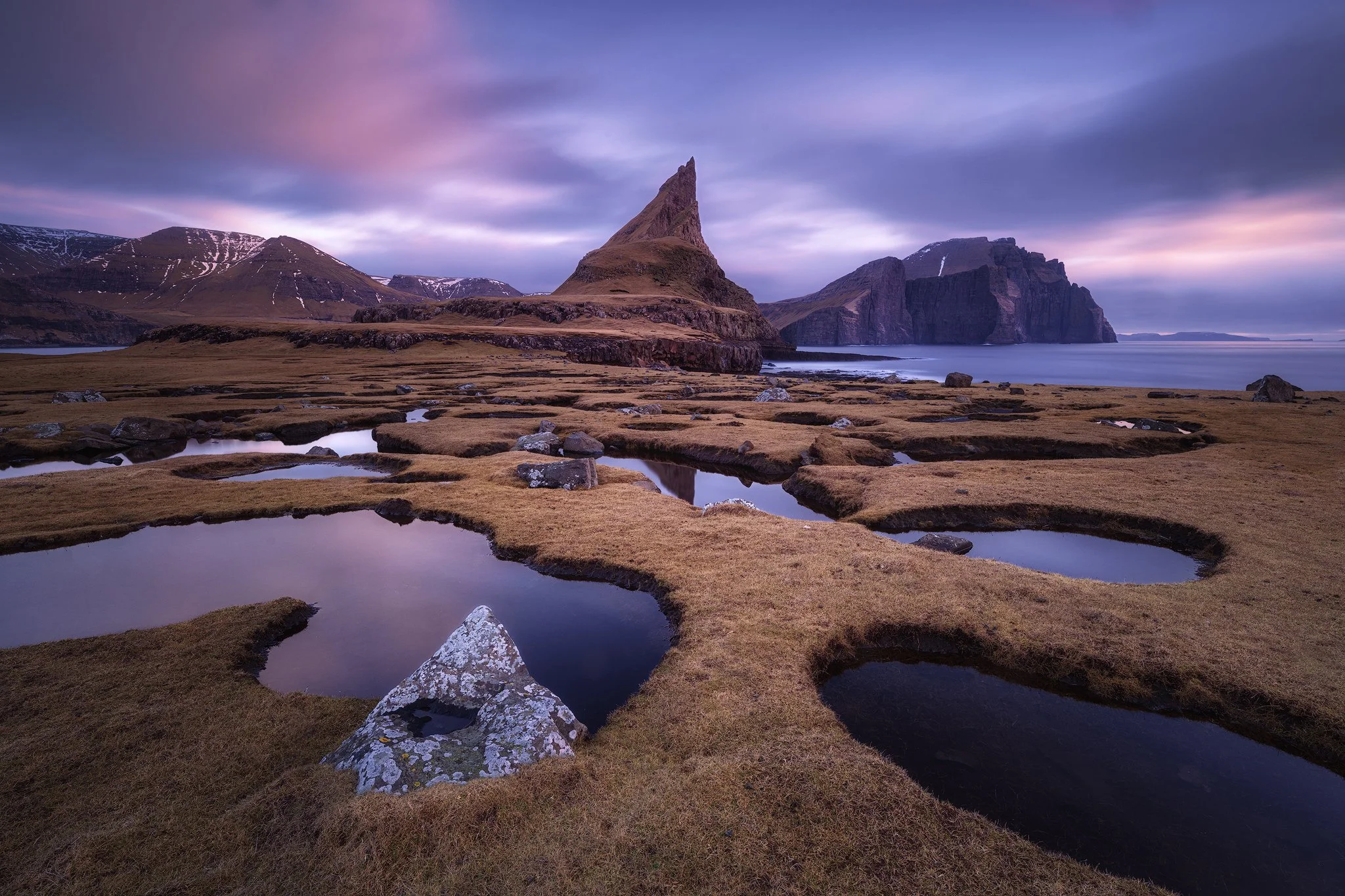
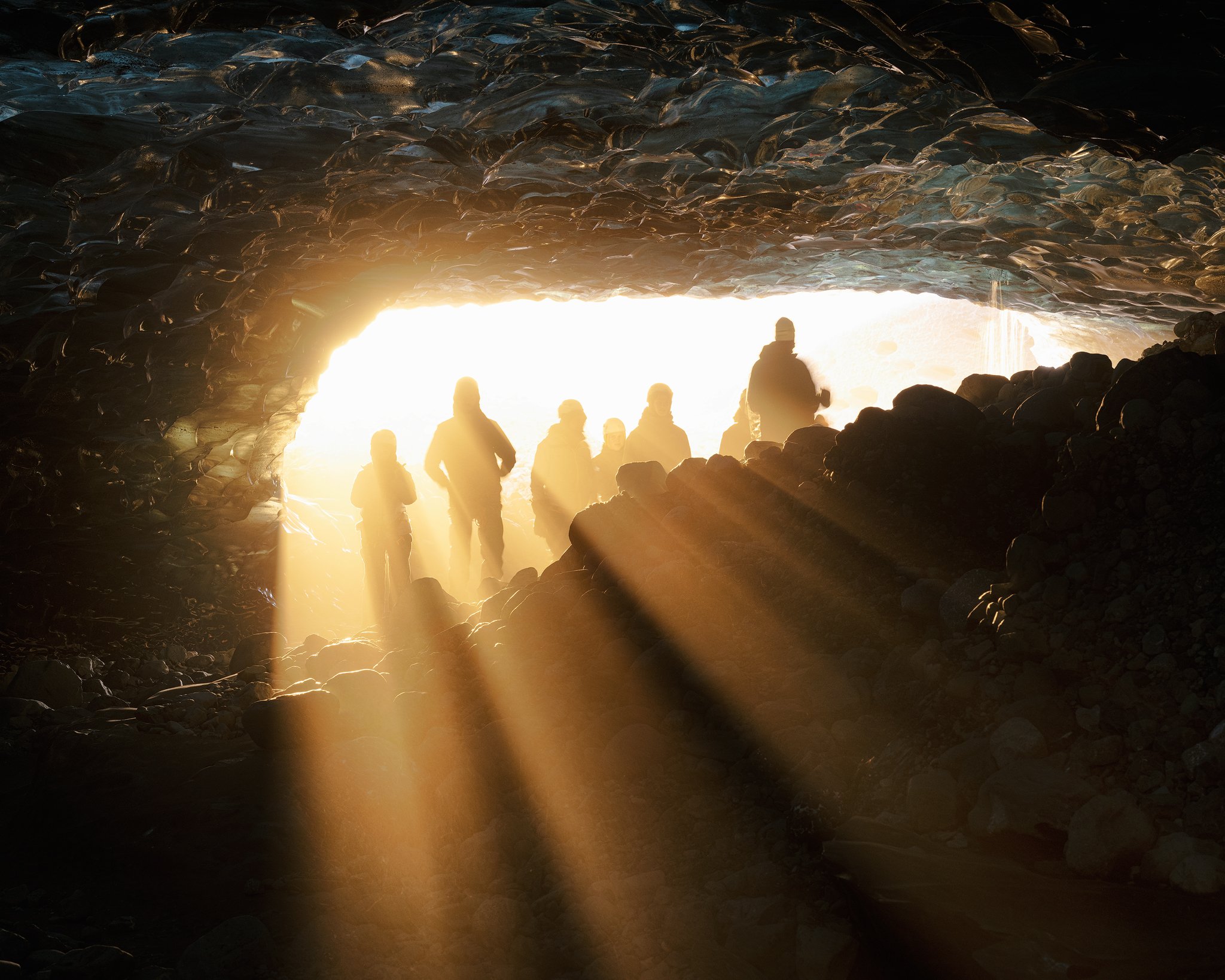
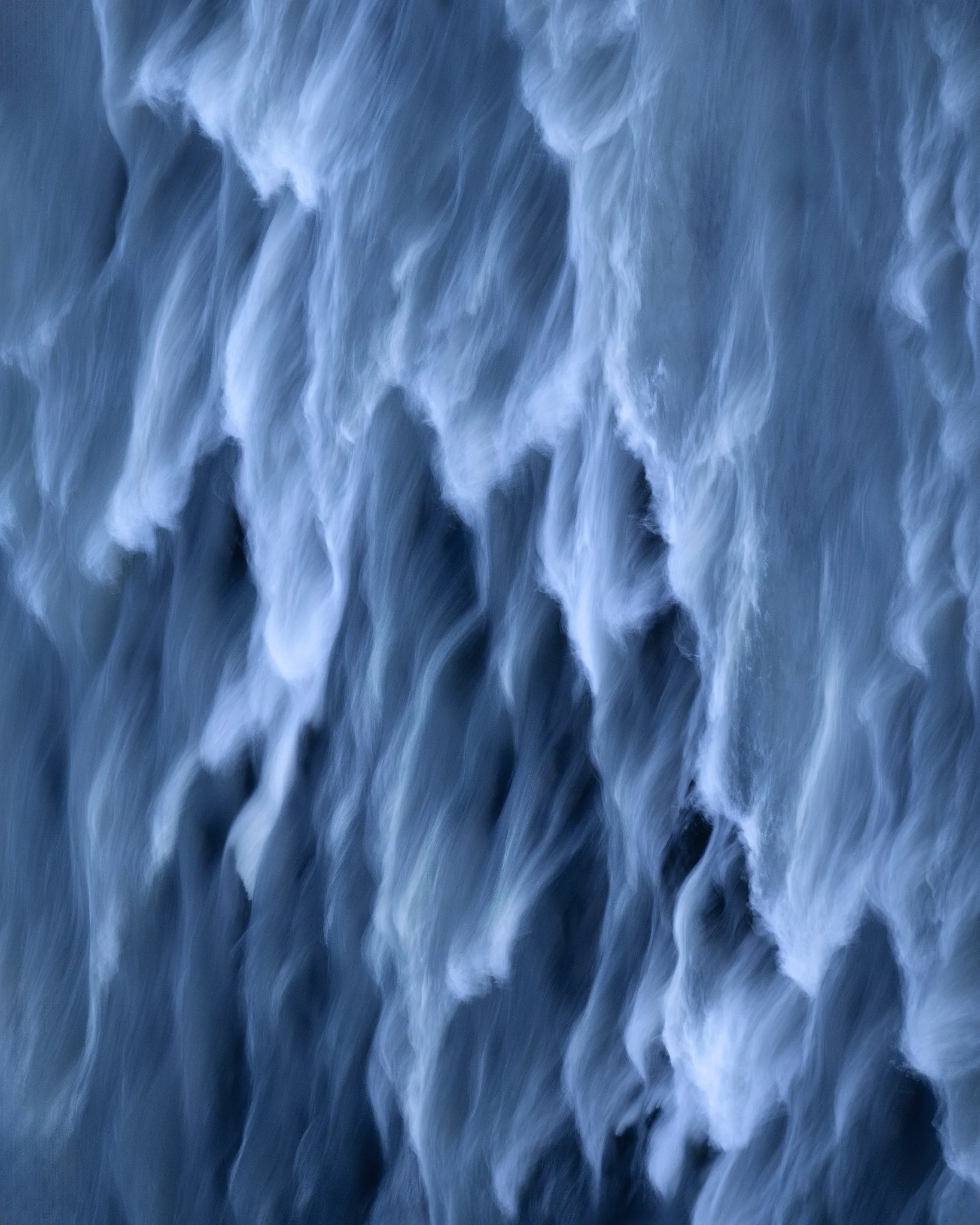
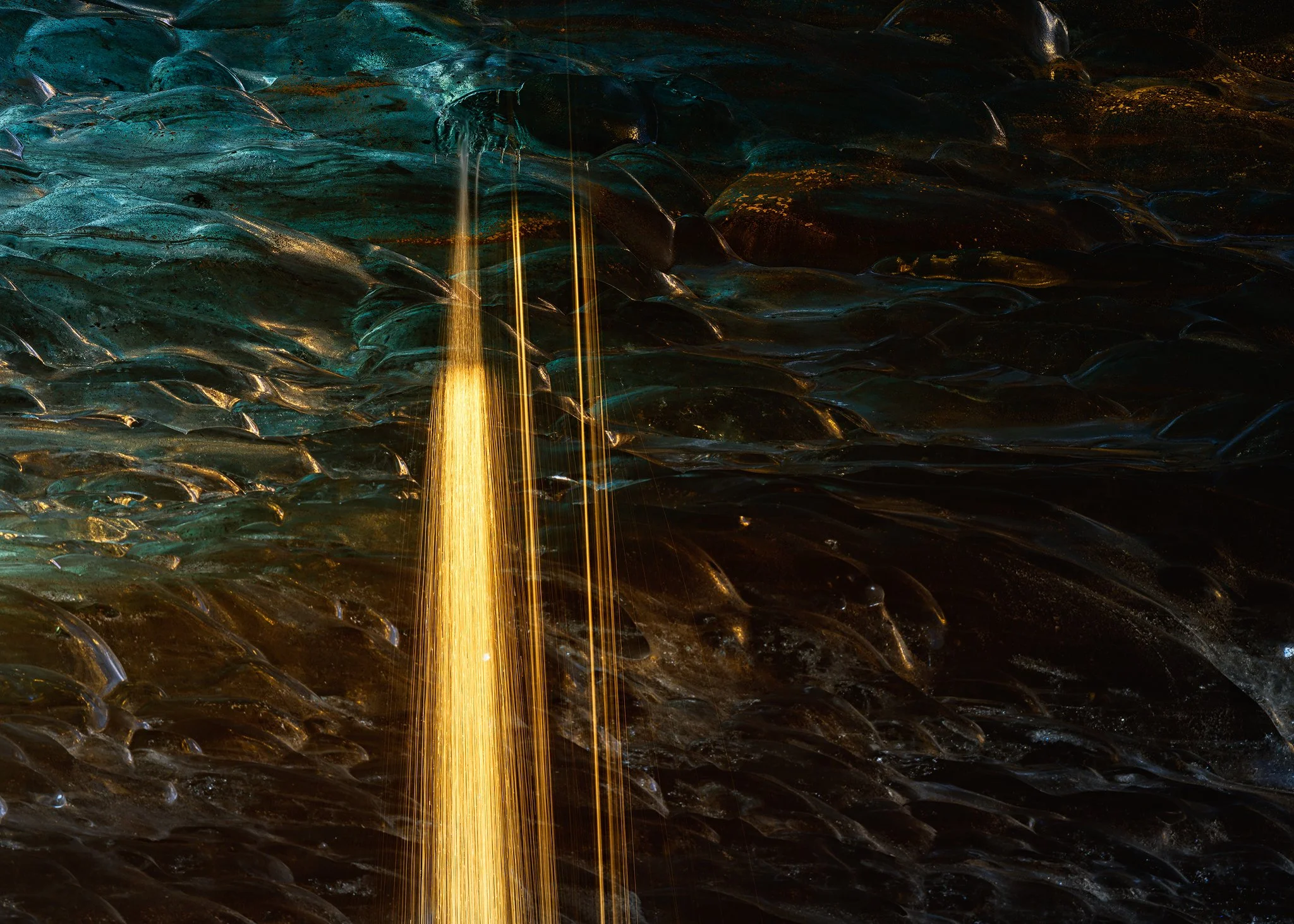
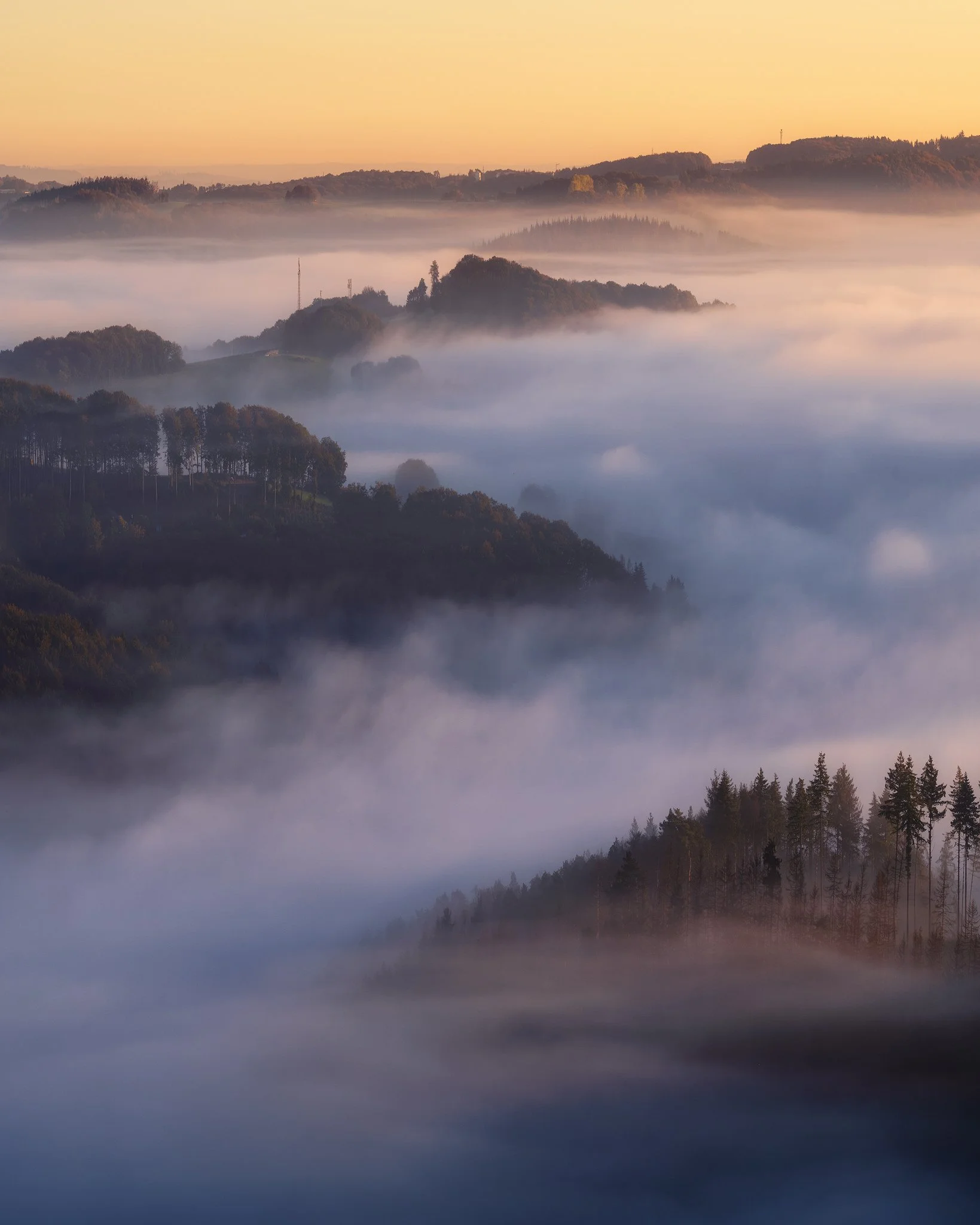
What each focal length can actually do — shown with my own work
This is the part I most wanted to write. Below, each focal length is illustrated with my own images so you can see what the range gives you — not read specs, but look at results.
One honest thing before you scroll, and it's the whole point of this section: these are the Nikon lenses I happen to shoot, but the result has nothing to do with the badge. The equivalent wide, standard or telephoto on Canon, Sony, Fujifilm or L-mount would get you the very same images. What made these photographs isn't the logo on the lens — it's the focal length, the light, and the composition. And those last two you can learn, whatever gear is in your hands.
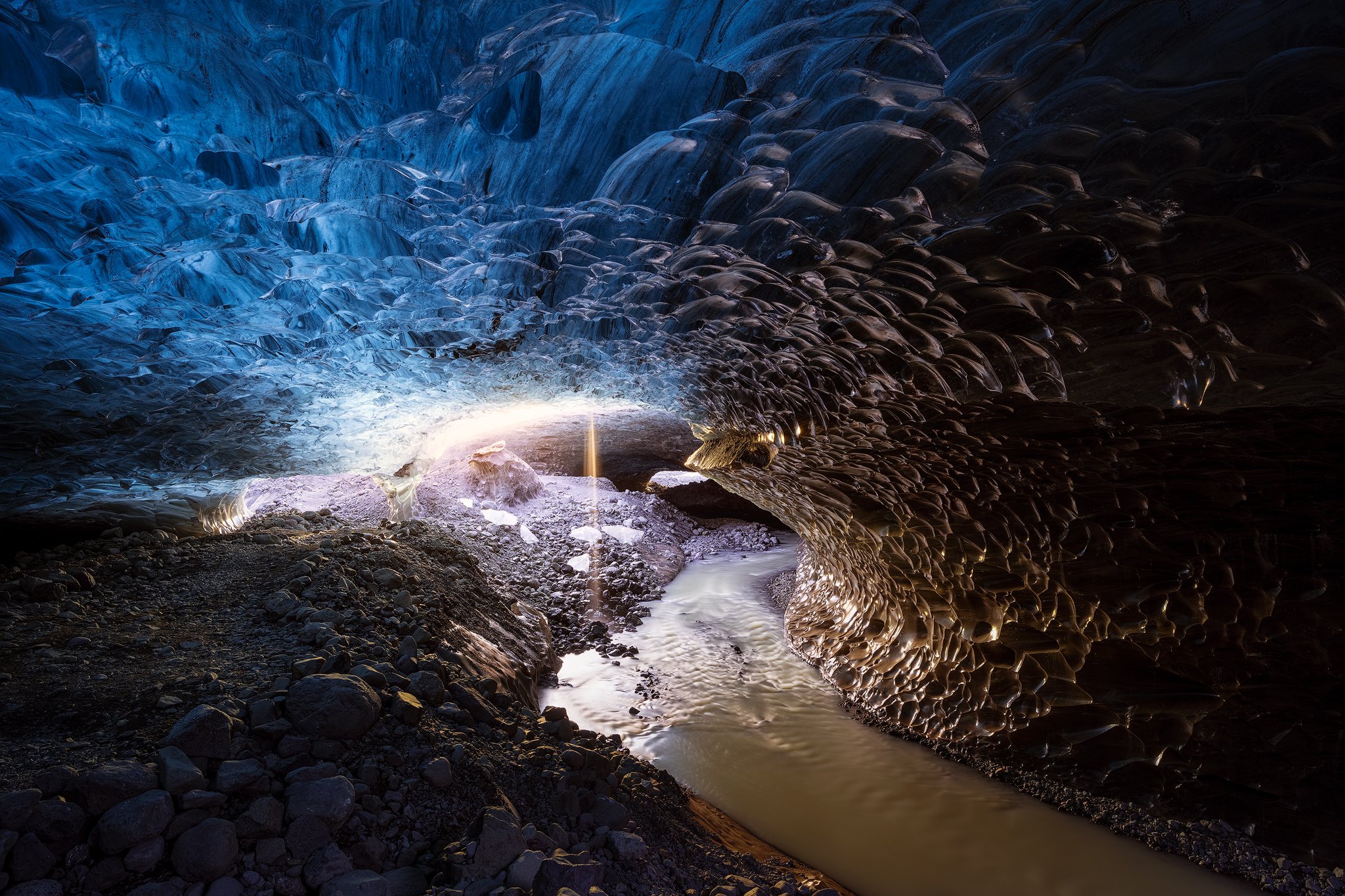
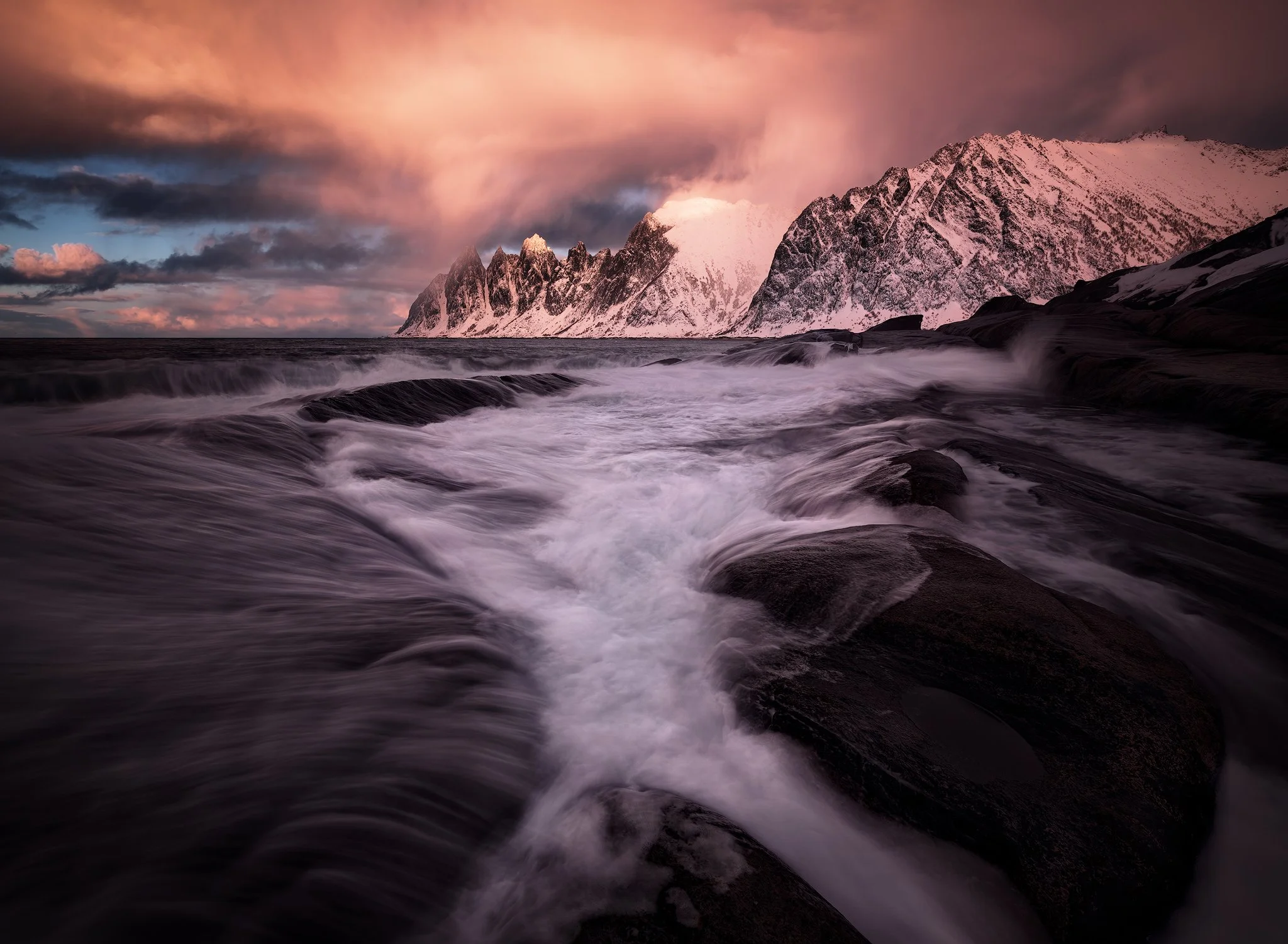
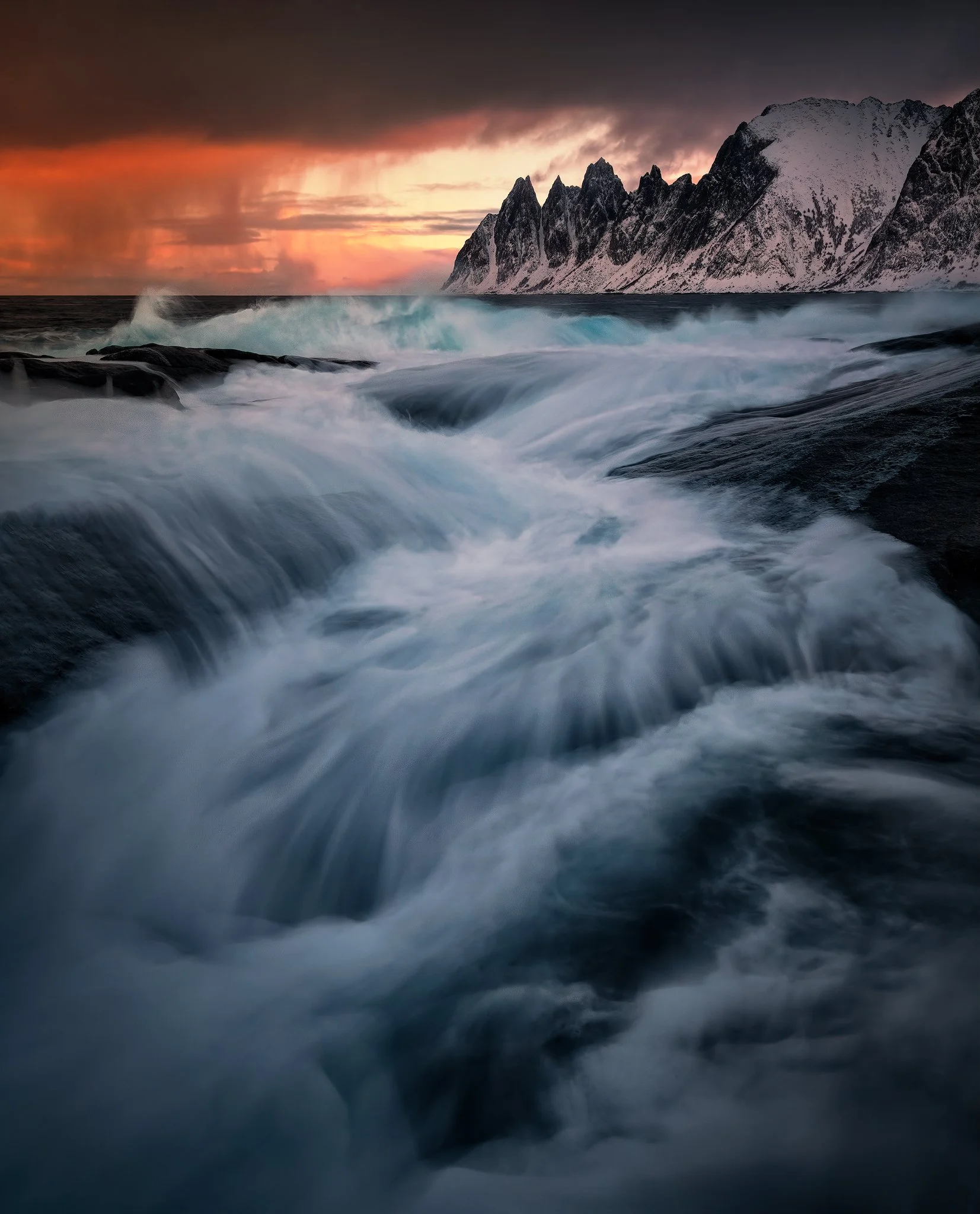
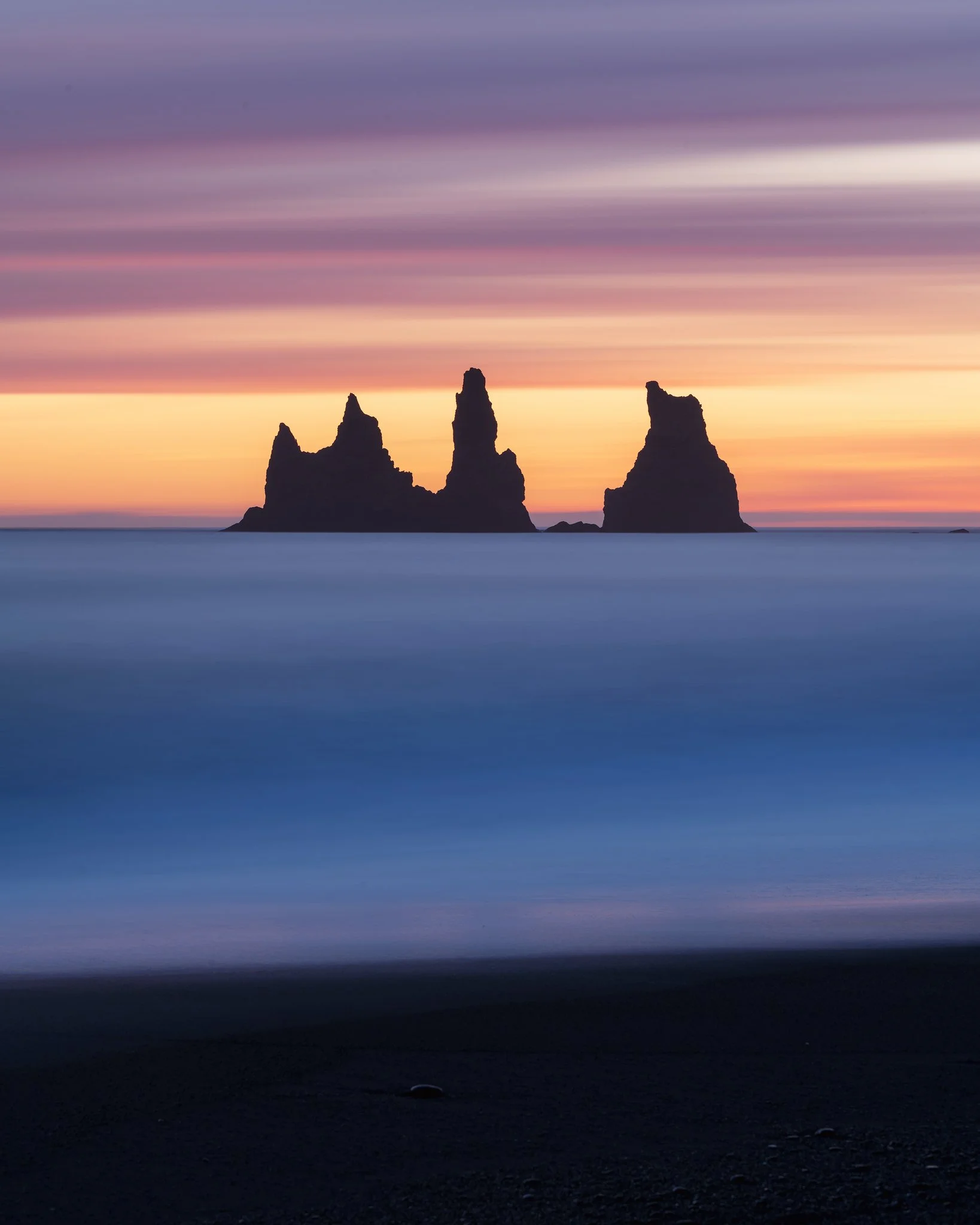
Ultra-wide — my Nikkor Z 12-24mm f/2.8
What the wide end gives you: grand scale, a powerful foreground pulled right up close, and leading lines that walk the viewer from their feet into the distance. It's the "stand inside the scene" lens.
Your equivalent in any system: a 14-24 / 16-35-class wide zoom.
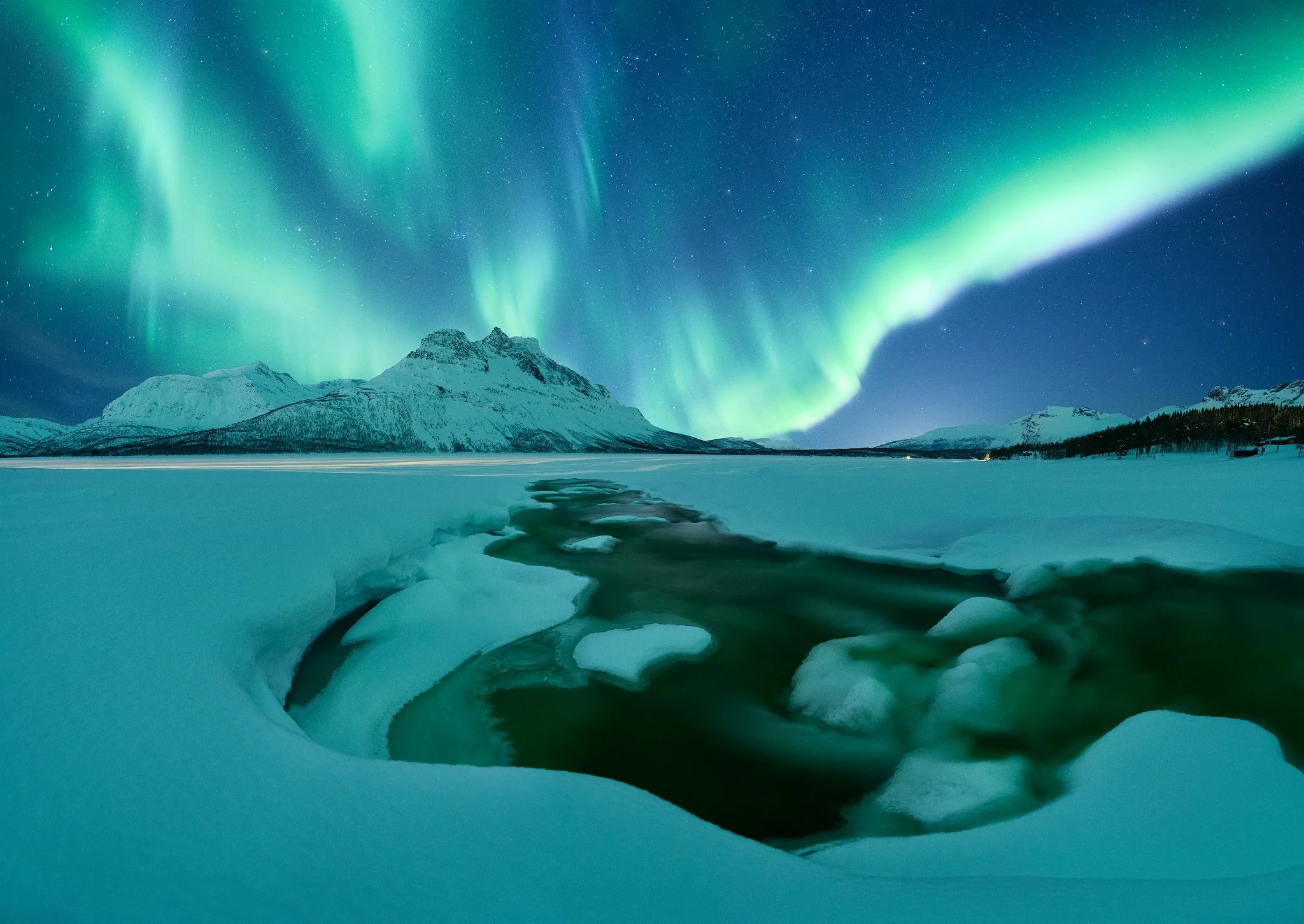
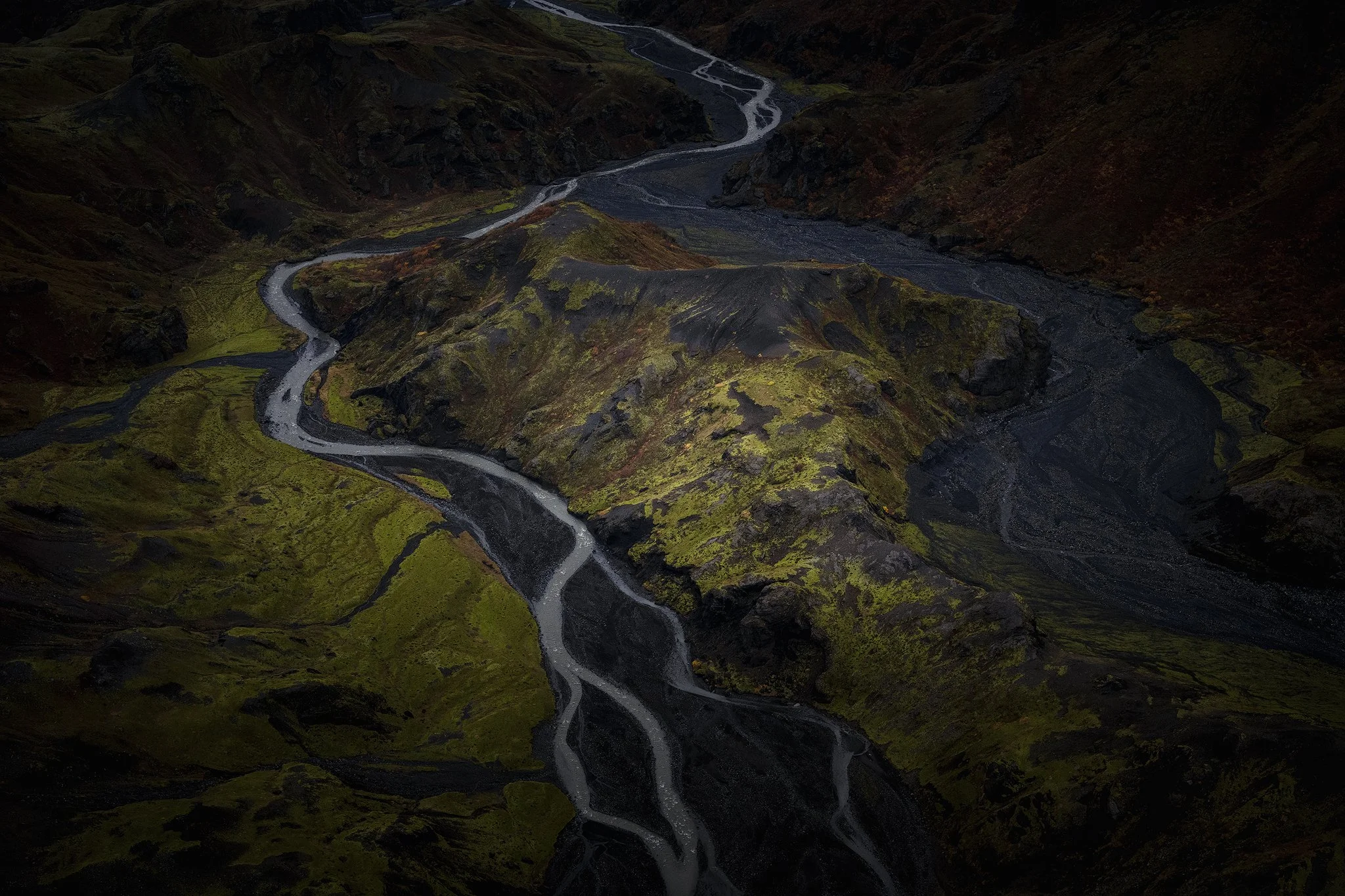
Standard — my Nikkor Z 24-120mm f/4
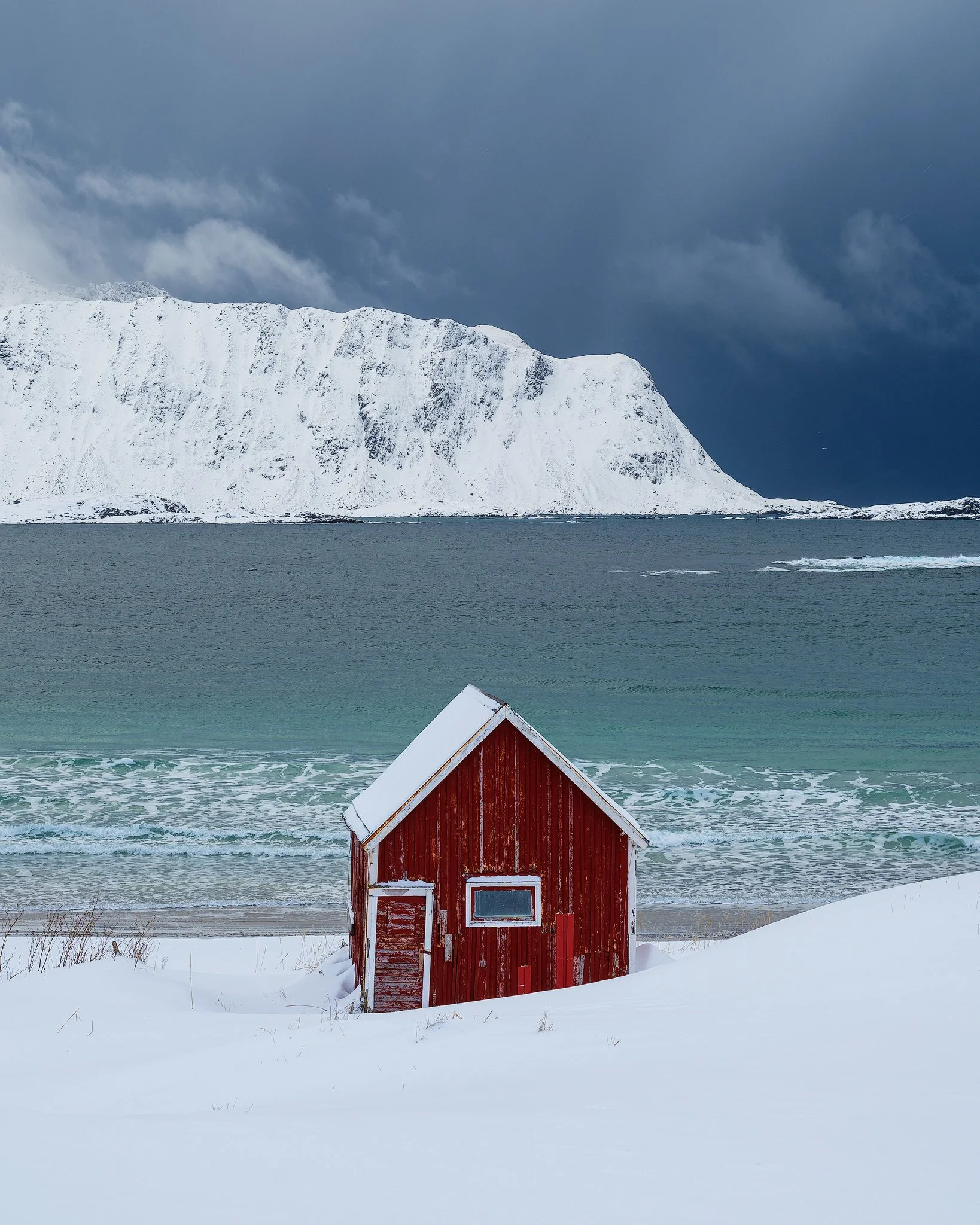
What the standard range gives you: versatility. This is my most-used lens — it covers the natural field of view, then reaches far enough to start isolating elements. If I could only take one lens up a mountain, it would be this range. It´s also amazing for aerial shoots from airplanes and helicopters as well. I just love it!
Your equivalent in any system: a 24-105 / 24-120-class standard zoom.
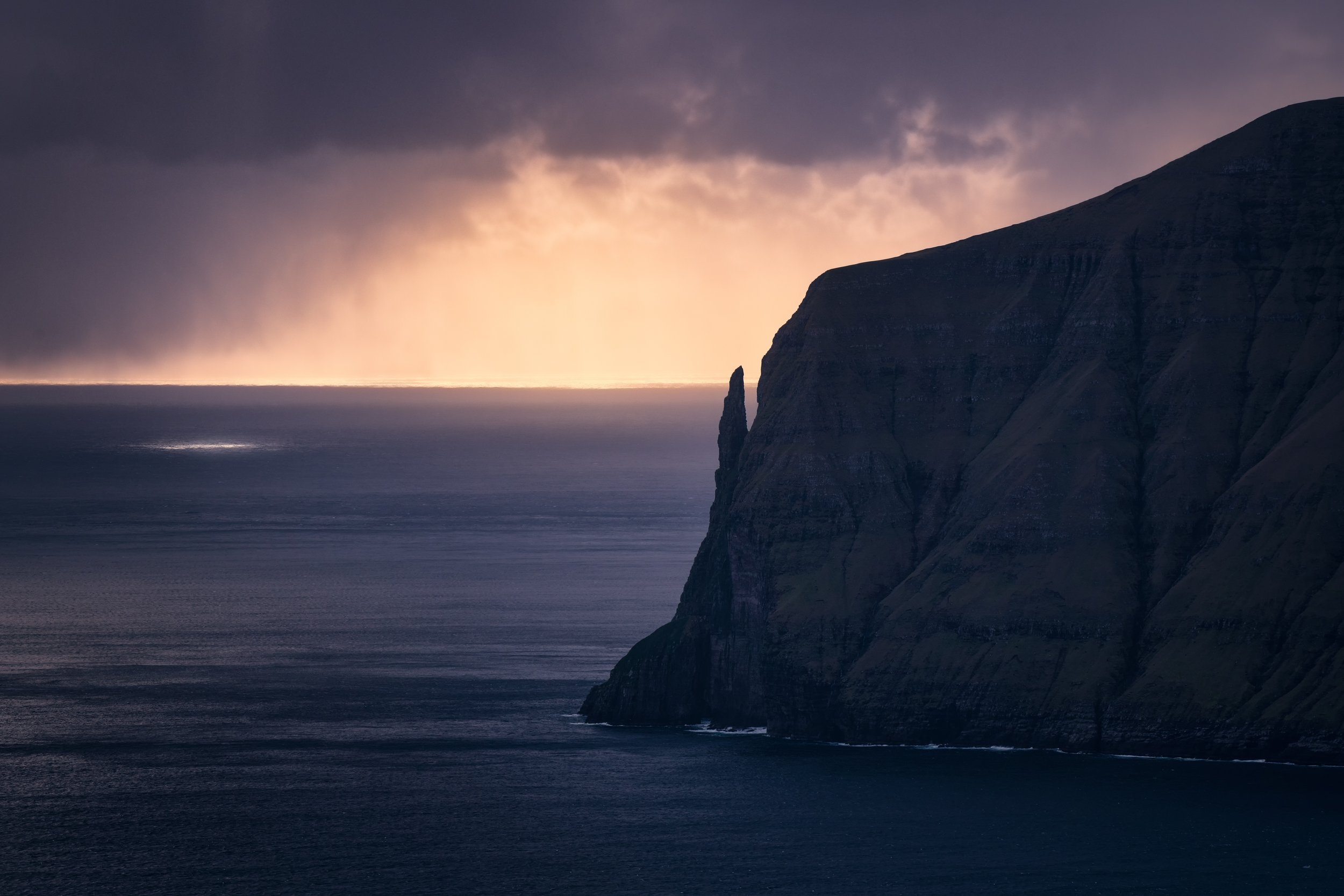
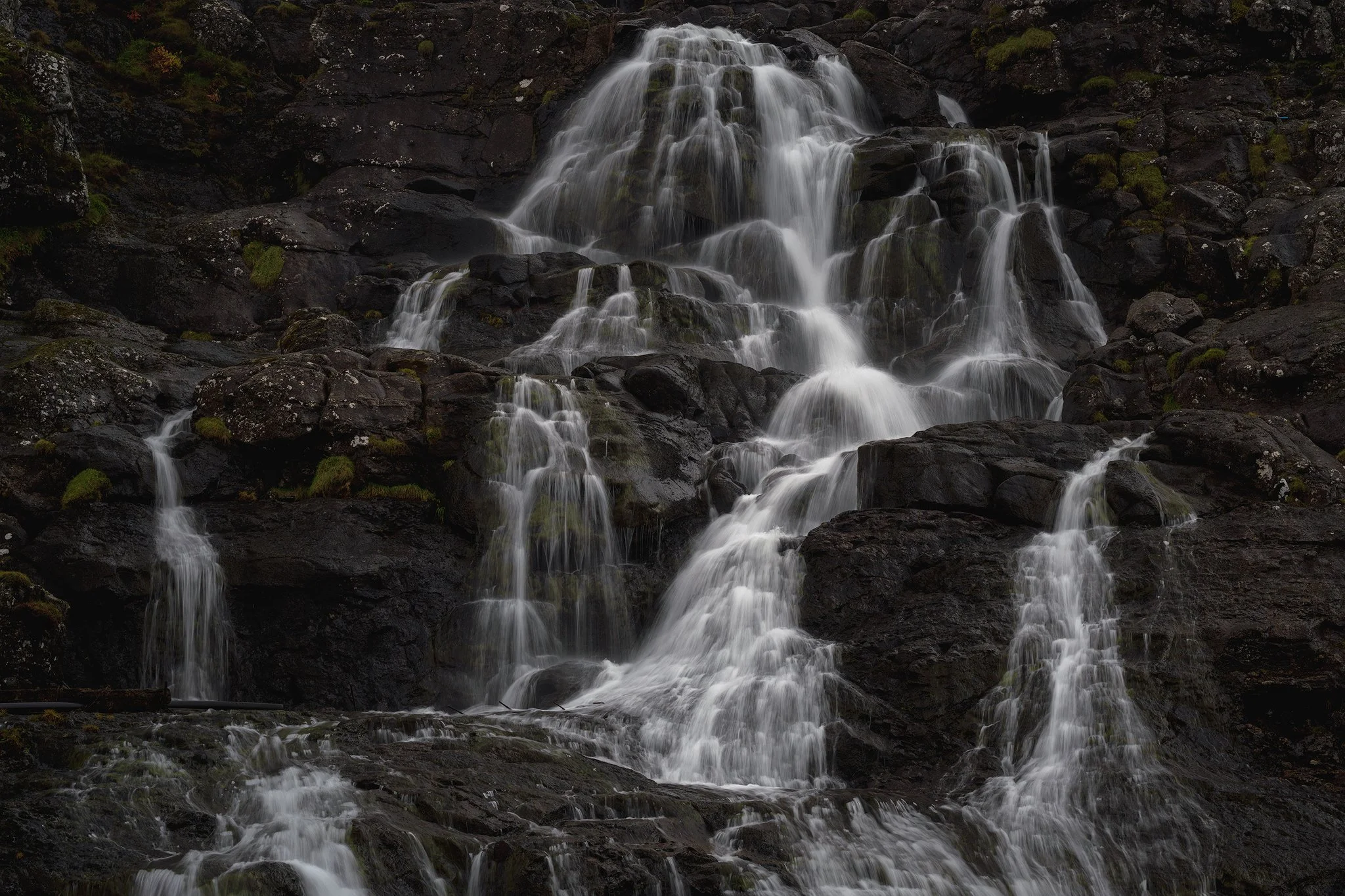
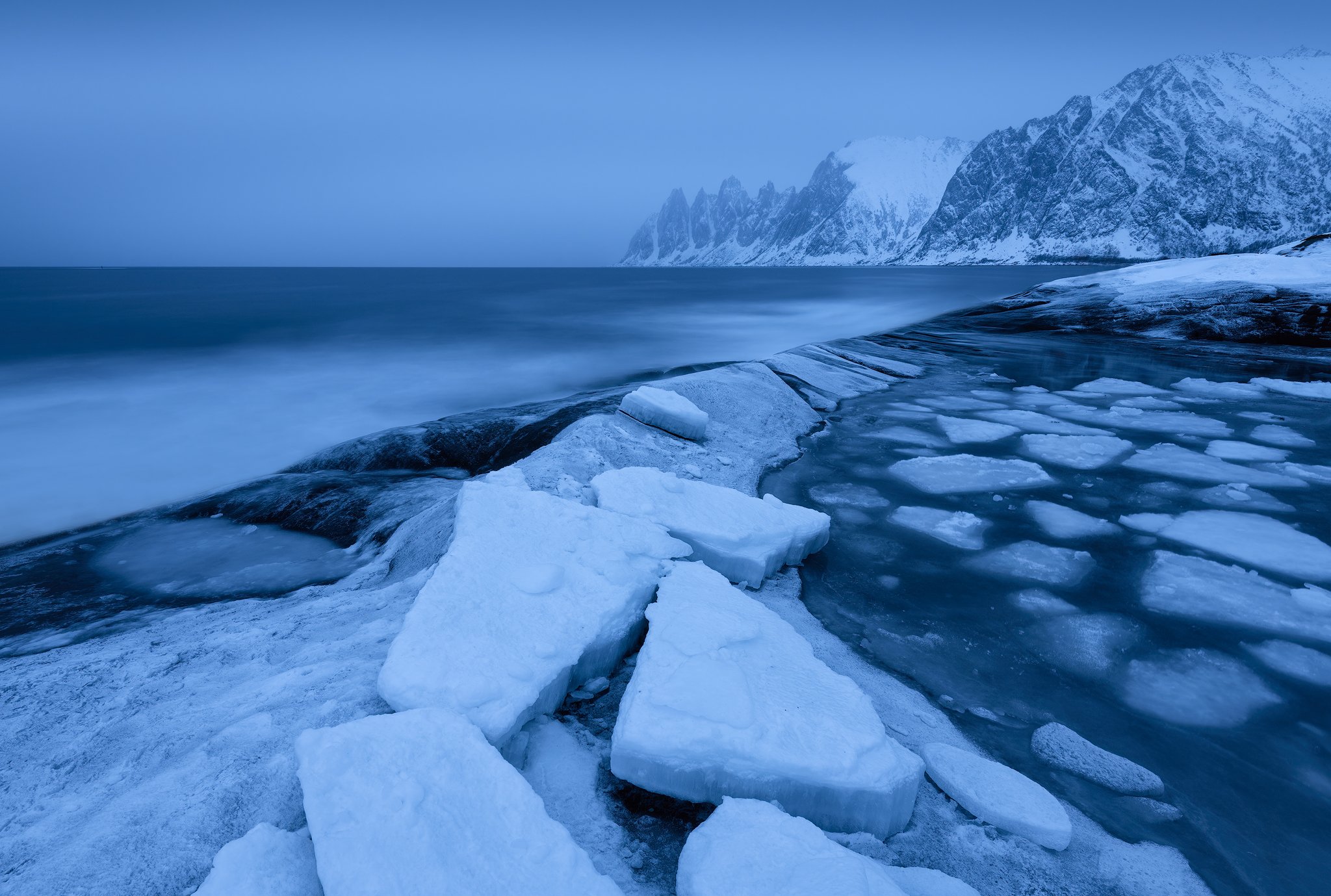
Telephoto — my Nikkor Z 100-400mm
What the long end gives you: compression and intimacy. Distant ridges stack into layers, a single peak fills the frame, a sliver of light becomes the whole subject. This is the range that taught me to find compositions inside a big scene rather than just record the whole thing.
Your equivalent in any system: a 100-400 / 100-500-class telephoto zoom.
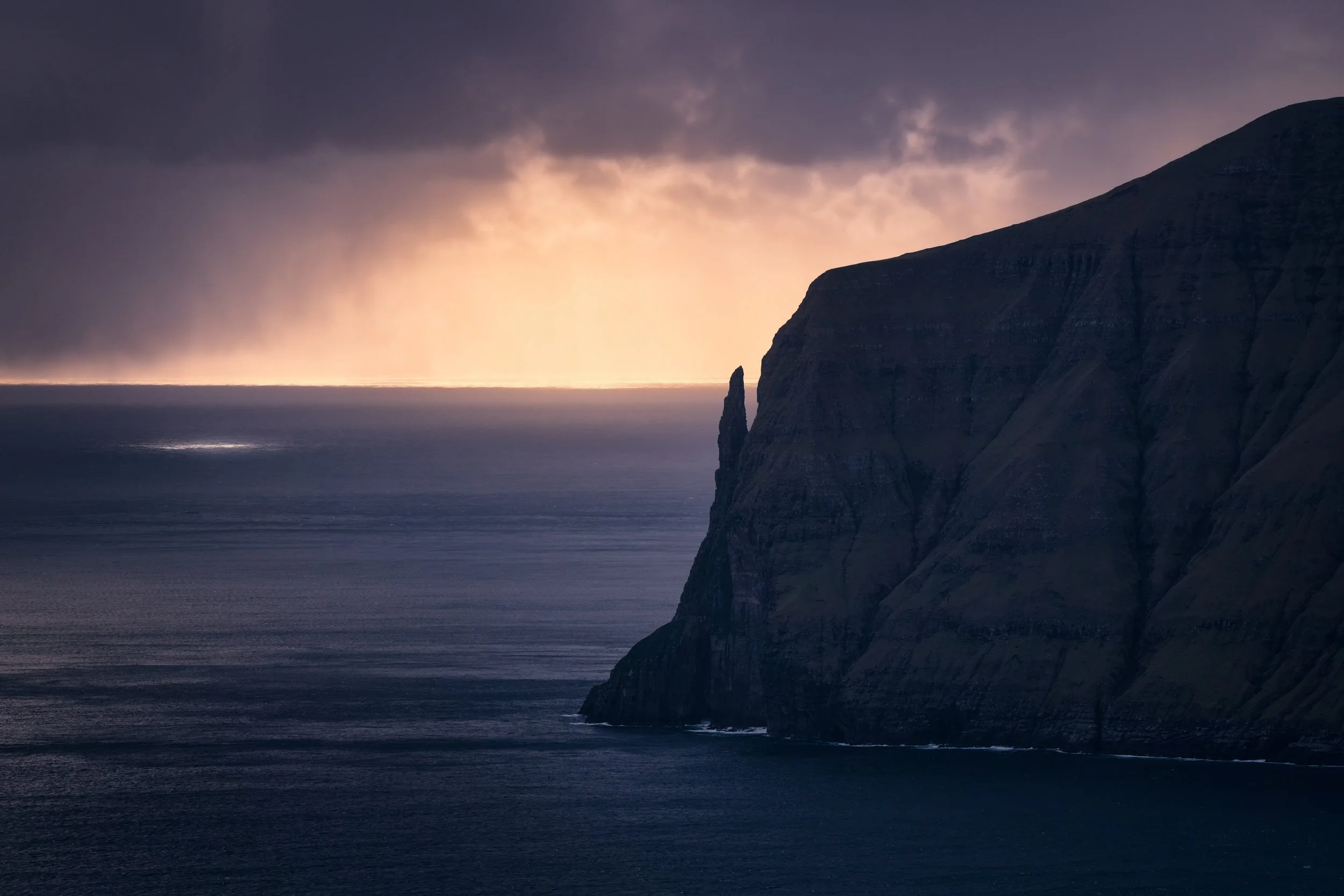
The takeaway: every image above came from composition and light — not the brand on the lens. That's genuinely good news, because it means your gear isn't what's holding your photographs back.
Want to know how I see those compositions before I press the shutter? That's exactly what The Field Method is — the four checks I run on every landscape, the same ones behind the images above. It's free.
If you only buy one, two, or three lenses
Overwhelmed? Here's the shortcut I give people on tour:
One lens → a standard zoom (24-105 / 24-120 class). The most versatile single lens; you'll make most of your images with it.
Two lenses → add an ultra-wide zoom (14-35 class) for the grand, foreground-driven shots. Wide + standard covers the vast majority of landscape work.
Three lenses → add a telephoto (100-400 class) for compression and intimate scenes. Wide + standard + tele is the complete landscape kit — almost nothing is out of reach.
Add a fast wide prime later if you fall for astrophotography, and a macro whenever the small details start calling.
The part that doesn't change
I'll say the same thing I always do, because it's true: composition and light make the photograph, not the glass. But here's why lenses are still where I'd put your money — unlike a camera body, a good lens is a lasting investment. It'll serve you across many bodies and many years. So buy good ones, buy them once, and look after them.
Two honest money tips:
Buy used here too. Lenses age far more slowly than bodies — an excellent zoom from a few years ago is still an excellent zoom. The used market is full of them at a fraction of new prices, and a lens doesn't lose sharpness sitting in someone's bag.
Native vs third-party. First-party lenses (Nikon, Canon, Sony, Fuji) give you the best autofocus, build and resale. But for landscape — slow, deliberate, tripod work — the third-party makers (Sigma, Tamron, Viltrox, Laowa) are often the genuinely smart buy: 80–90% of the quality for half the money, and sharpness that's frequently indistinguishable in a print. Pay for first-party where AF speed matters; save with third-party where it doesn't.
📩 Before you go — grab The Field Method, free
I keep saying composition and light matter more than gear — so here's how I actually do it. The Field Method is the four checks I run before pressing the shutter in any landscape: the Anchor, Edge Control, the Layers, and the Light Rule. Two minutes to read, yours for life. Grab the free PDF and I'll also send Postcards from the Wild — field stories from my expeditions, twice a month.
A note on independence: there are no affiliate links or paid placements in this guide. I shoot Nikon, but as you've seen the picks here span every system — these are simply my honest opinions as a working landscape photographer.
Keep going
If you haven't chosen a body yet, start with my how to choose your camera for landscape photography guide — this lens article is its companion piece. And if you want to see this gear at work in one of my favourite places on earth, read my Autumn in Patagonia Photography Guide or my Faroe Islands Photography Guide
Felix Inden is a landscape photographer and expedition leader based in Germany. PhotoPills Master. Multilingual guiding in German, English, and Spanish. He leads sold-out photography expeditions to Patagonia, the Faroe Islands, Lofoten, Iceland, and the Canadian Rockies.
If you're also considering Nordic locations for your next trip, see the practical guide to winter photography in Lofoten.
And if you love Patagonia as much as I do, don't miss my autumn in Patagonia guide.